

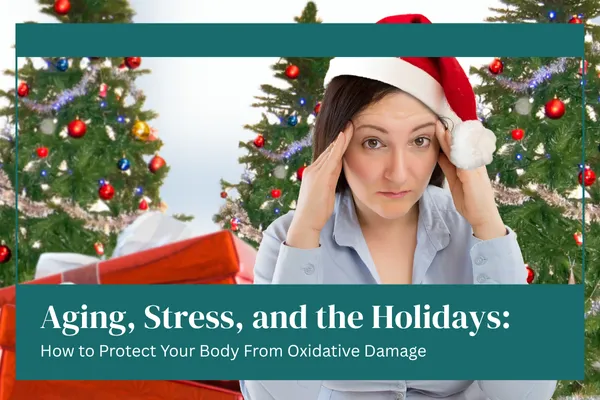
Aging, Stress, and the Holidays: How to Protect Your Body From Oxidative Damage
“The greatest wealth is health.” — Virgil
As the holiday season ramps up, so does stress, sugar, fatigue, and sensory overload. For many women, December is a blur of obligations and overstimulation, all while their bodies whisper (or shout) that something feels off.
If you’re feeling more drained than festive, you’re not alone. And it may have less to do with your calendar and more to do with what’s happening at the cellular level.
This time of year is the perfect storm for oxidative stress—a process that silently drives aging, inflammation, and chronic symptoms. But here’s the good news: oxidative stress is not inevitable. With the right strategies, you can buffer your body from the damage, protect your hormones, and head into the new year feeling more resilient.

What Is Oxidative Stress—and Why Does It Matter?
Oxidative stress happens when free radicals—unstable, reactive molecules—outpace your body’s antioxidant defenses. This imbalance leads to damage in your DNA, cell membranes, and mitochondria. Over time, it accelerates aging and increases your risk for chronic disease.
You can’t avoid free radicals entirely—they’re produced naturally during energy production and immune defense. But stress, poor diet, alcohol, lack of sleep, and environmental toxins spike their production. And during the holidays, that combination is hard to avoid.
How Oxidative Stress Shows Up in Midlife
Wrinkles and sagging skin
Fatigue that doesn’t lift with rest
Brain fog or mood dips
Joint pain or stiffness
Digestive sensitivity or food reactivity
Blood sugar swings and stubborn weight gain
Oxidative stress is also linked to more serious concerns: heart disease, Alzheimer’s, type 2 diabetes, and autoimmune dysfunction. But the earlier you intervene, the more power you have to slow the process.
6 Ways to Protect Your Body This Season (and Beyond)
1. Load Up on Antioxidant-Rich Foods
Holiday treats aside, make it a priority to include:
Vitamin C from citrus, peppers, and berries
Vitamin E from nuts, seeds, and spinach
Polyphenols from dark chocolate, green tea, and colorful vegetables
Carotenoids from carrots, squash, and leafy greens
Focus on whole, organic foods and limit processed snacks, alcohol, and refined sugar—especially in weeks of high stress.
2. Support Your Mitochondria
These energy powerhouses are highly sensitive to damage but crucial for aging well.
Include CoQ10, alpha-lipoic acid, and L-carnitine for mitochondrial resilience
Try time-restricted eating to encourage autophagy (cellular clean-up)
Don’t overexercise—gentle strength training and walking support repair without overload
3. Calm Chronic Inflammation
Oxidative stress and inflammation feed off each other. To break the cycle:
Use anti-inflammatory herbs like turmeric, ginger, and garlic
Incorporate omega-3s from wild-caught fish, flax, and walnuts
Commit to 10 minutes a day of breathwork, meditation, or stillness
4. Reduce Your Toxic Load
Give your liver a break by reducing daily exposures:
Switch to non-toxic cleaning and personal care products
Use a high-quality water filter and air purifier
Avoid synthetic fragrances, plastic packaging, and conventional candles
Nutrients like NAC, milk thistle, and cruciferous vegetables can support natural detox pathways this season.
5. Prioritize Restorative Sleep
Sleep is when your body neutralizes free radicals and repairs oxidative damage.
Stick to a consistent bedtime—even during travel or holidays
Use blackout curtains and avoid screens 60 minutes before sleep
Magnesium and herbal teas can help calm a wired nervous system
6. Boost with Strategic Supplements
While food is foundational, targeted supplements can bridge the gap:
Glutathione: Your body’s master antioxidant
NAC: A precursor to glutathione, also supports detox pathways
Resveratrol: Found in grapes and red wine, supports cellular longevity
Quercetin and Zinc: Reduce inflammation and bolster immune function
Vitamin C and E: Classic antioxidants that protect tissues and immune cells

The Hidden Impact of Holiday Stress
Remember, emotional and environmental stress are just as taxing as poor diet. If you’re navigating grief, financial stress, people-pleasing, or perfectionism this season, your body needs even more antioxidant support.
Chronic stress increases cortisol, which drives both inflammation and oxidative damage. That’s why even without a poor diet, stress alone can accelerate aging and hormonal imbalance.
Sustainable Aging Starts With Self-Kindness
You don’t have to overhaul everything this December. But protecting your body from oxidative stress is one of the most powerful things you can do for your future self. Aging gracefully doesn’t start with Botox or biohacking—it starts with nutrient-rich food, better sleep, nervous system support, and the decision to prioritize your health no matter the season.
If you’re ready to explore hormone testing, personalized menopause support, and root cause solutions tailored to life in New Hampshire, please visit https://holisticandhormonal.org/ to book your free consultation.