
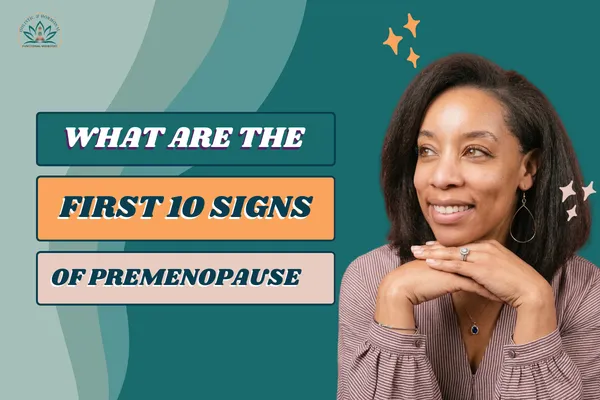
What Are the First Signs of Perimenopause? 10 Early Symptoms Women Shouldn’t Ignore
Many women begin noticing subtle changes in their late 30s or 40s. Sleep becomes lighter. Energy feels unpredictable. Moods shift more easily. Periods may change in ways that feel unfamiliar.
Often, these symptoms are brushed off as stress, aging, or simply being busy.
But for many women, these changes are actually the first signs of premenopause, the hormonal transition that leads up to menopause.
Premenopause is a natural phase of life, but that does not mean symptoms should be ignored or endured without support. Understanding what is happening inside the body can help women make sense of their experience and begin seeking solutions that restore balance and wellbeing.
At Holistic & Hormonal, the goal is to help women move through this stage with clarity, evidence-based care, and compassionate guidance.

What Is Premenopause?
Premenopause means “around menopause.” It is the transitional phase when the ovaries gradually begin producing hormones less consistently.
During this time, estrogen and progesterone fluctuate rather than decline in a smooth pattern. These hormone shifts can affect many systems in the body, including the brain, metabolism, sleep cycle, and stress response.
This phase can last several years, and symptoms often begin long before periods stop entirely.
Many women are surprised to learn that menopause is actually defined as 12 consecutive months without a period. Everything leading up to that point is considered premenopause.
Because hormone fluctuations can begin gradually, symptoms often appear before women realize the transition has started.
What Age Does Premenopause Start?
For most women, premenopause begins between ages 35 and 45, though timing varies.
Some women experience noticeable changes earlier, while others may not see clear signs until their late 40s. Genetics, lifestyle factors, stress levels, and overall health can all influence the timing and intensity of symptoms.
One of the most common frustrations women share is being told they are “too young” for premenopause. In reality, hormonal changes often begin earlier than many people realize.
The body does not flip a switch overnight. Hormone production gradually shifts over time, which is why symptoms can feel confusing or inconsistent.

10 Early Signs of Premenopause
Every woman experiences premenopause differently. Some notice only a few mild changes, while others experience several symptoms at once.
Below are some of the most common early signs.
1. Irregular Periods
Changes in menstrual cycles are often the first noticeable sign.
Periods may become:
Closer together
Further apart
Heavier than usual
Lighter than usual
Unpredictable in timing
These changes occur because ovulation becomes less consistent as hormone levels fluctuate.
2. Persistent Fatigue
Many women describe a type of exhaustion that feels different from normal tiredness.
Even with adequate sleep, energy may feel lower than usual. Hormone fluctuations can influence the body’s metabolism, adrenal function, and sleep quality, all of which affect energy levels.
3. Brain Fog
Difficulty concentrating, forgetting words, or feeling mentally slower are common experiences during premenopause.
Estrogen plays a role in brain function, memory, and focus. When levels fluctuate, cognitive clarity can temporarily decline.
Women often describe this symptom as feeling “foggy” or not quite like themselves.
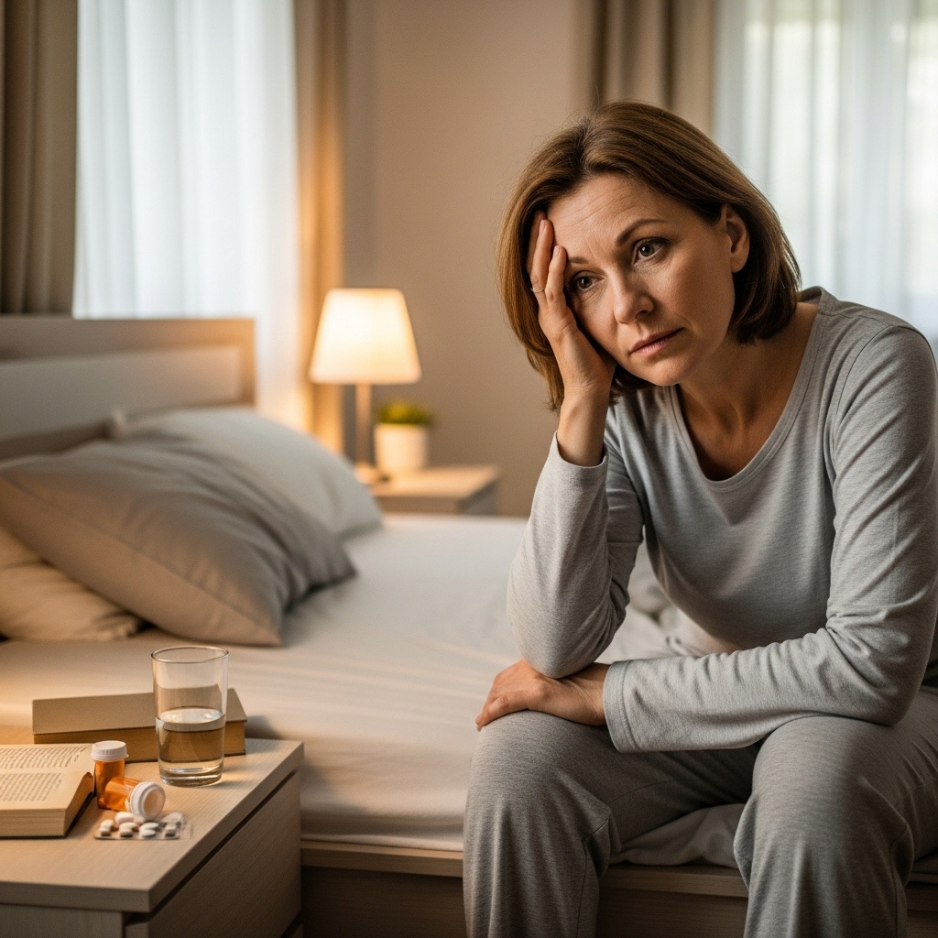
4. Sleep Disruption
Sleep problems are one of the most common and frustrating early symptoms.
Women may experience:
Difficulty falling asleep
Waking during the night
Waking very early in the morning
Feeling unrefreshed after sleep
Hormone fluctuations can disrupt the body’s circadian rhythm and temperature regulation, both of which influence sleep.
5. Mood Changes
Many women notice increased emotional sensitivity or mood swings.
Some experience:
Irritability
Low mood
Increased emotional reactivity
Feeling overwhelmed more easily
These changes are often linked to shifts in progesterone and estrogen, both of which affect neurotransmitters in the brain.
6. Increased Anxiety
For some women, anxiety becomes more noticeable during premenopause, even if they have never struggled with it before.
Hormone fluctuations can influence the nervous system and stress hormones such as cortisol, which can contribute to feelings of unease or restlessness.
7. Changes in Libido
A decrease in sexual desire can occur as hormone levels shift.
This may be related to changes in estrogen, testosterone, sleep quality, and overall energy levels.
Addressing underlying hormone imbalances often helps restore libido and improve overall wellbeing.
8. Weight Changes
Many women notice that weight becomes easier to gain and harder to lose during midlife.
Hormonal shifts can influence metabolism, insulin sensitivity, and fat distribution, particularly around the abdomen.
These changes are not simply a matter of willpower. They often reflect deeper physiological shifts.
9. Night Sweats or Hot Flashes
While these symptoms are often associated with menopause, they can begin during premenopause as well.
Night sweats may disrupt sleep, leaving women feeling exhausted the next day.
10. Worsening PMS
Some women notice that premenstrual symptoms become more intense than they were earlier in life.
Symptoms may include:
Breast tenderness
Mood swings
Bloating
Irritability
Fatigue
This often occurs when progesterone levels begin declining relative to estrogen.
Why These Symptoms Happen
Hormones influence nearly every system in the body.
Estrogen and progesterone interact with the brain, metabolism, immune system, and stress response. When these hormones fluctuate, the body must constantly adjust.
This is why symptoms can feel unpredictable during premenopause.
One month may feel relatively normal, while the next may bring noticeable changes.
Functional medicine looks beyond individual symptoms to understand the larger network of systems influencing hormonal balance, including:
Stress response and cortisol patterns
Blood sugar regulation
Gut health
Inflammation
Nutrient status
Sleep quality
When these systems are supported, many women experience significant improvement in how they feel.
Why Many Women Are Told “Everything Is Normal”
A common experience among women in their late 30s and 40s is seeking medical help for symptoms and being told that lab results appear normal.
This can be frustrating and discouraging.
The reality is that many conventional hormone tests measure only a small snapshot of hormone levels at a single point in time.
Because hormones fluctuate throughout the cycle, these tests may not capture the full picture.
Functional medicine providers often take a broader approach by considering symptoms, lifestyle factors, and more comprehensive testing when appropriate.
The goal is not simply to label symptoms, but to understand why they are happening.

What Helps Support Hormone Balance
Premenopause is a natural transition, but the way women experience it can vary greatly depending on how well the body’s systems are supported.
Several strategies often make a meaningful difference:
Nutrition
Balanced meals that include adequate protein, healthy fats, and fiber can support blood sugar stability and hormone production.
Sleep
Prioritizing consistent sleep patterns helps regulate hormones that influence metabolism, mood, and energy.
Stress Regulation
Chronic stress can disrupt cortisol patterns, which in turn affects estrogen and progesterone balance.
Mind-body practices, gentle movement, and time for recovery can support nervous system regulation.
Personalized Hormone Support
For some women, additional support such as bioidentical hormone therapy may be helpful when symptoms significantly affect quality of life.
Individualized care ensures that treatment plans reflect each woman’s unique physiology and goals.
You Are Not Imagining These Changes
Many women navigating premenopause feel dismissed or told their symptoms are simply part of aging.
But the changes women experience during this stage are real. They reflect meaningful shifts in the body’s hormonal landscape.
With the right education and personalized support, many women regain energy, clarity, and confidence during midlife.
Understanding the first signs of premenopause is often the first step toward that transformation.
To learn more, visit holisticandhormonal.org